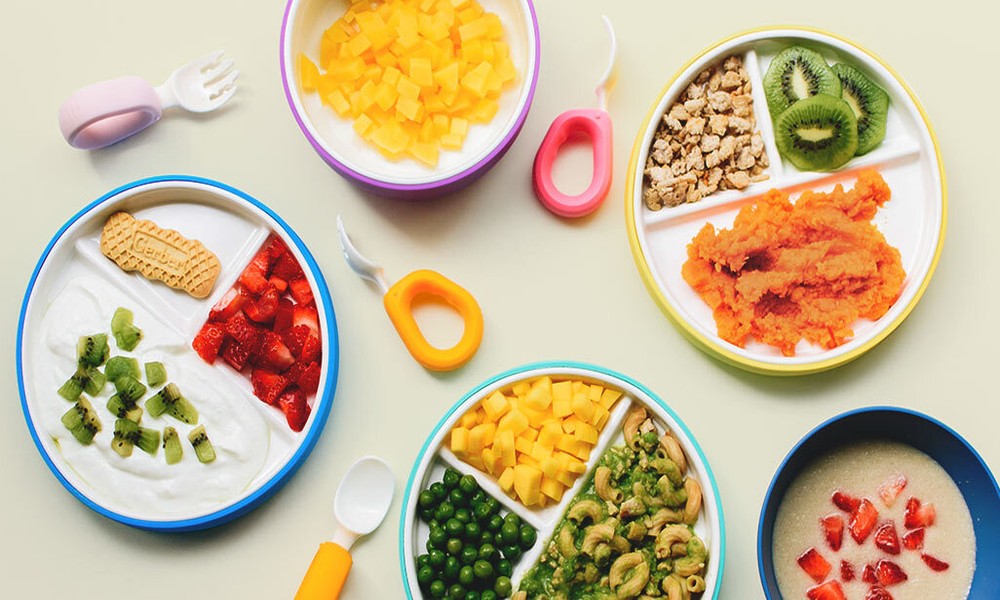
Babies’ chewing, swallowing and handling abilities vary quite a bit from one life stage to another. Selecting food items appropriate to the stage of development promotes safe food consumption, aids in the development of food skill and fosters positive eating behavior. This guide outlines the factors to keep in mind as you select snack foods appropriate to baby’s growth and development, from early weaning to transition to toddler foods.
Considerations when choosing baby snacks at different stages of growth
Early weaning stage snacks
Early weaning babies are starting to find out about other types of foods than purees and smooth foods. Snacks should be soft, easy to handle snippets and fed in one bite at a time, allowing observations to be made of any reactions. When selecting a snack for your early weaning programs take into account the following:
- Soft texture options: Choosing snacks that are easy to dissolve or soften in the mouth will reduce the chance of choking when really exploring solid food at a young age.
- Single ingredient snacks: Give one ingredient Baby snacks first to allow identification of any reactions, before adding multi-ingredient or mixed flavours.
- Smaller piece sizes: Selecting snacks that are small and manageable and easy to handle and chew helps in this early and exploration phase of feeding.
- Slow introduction pace: Gradual introduction of new snacks with intervals of a few days between each new food will help in observing the baby adjust to various types of textures and ingredients.
Developing motor skills stage snacks
Now that babies can form a pincer grasp, they can have snacks slightly more diverse in texture, shape and sizes. At this developmental stage, more autonomy at snack time is often encouraged as the babies learn to pick up food with their hands. Some of the considerations in selecting snacks at this stage of development would be:
- Finger-friendly shapes: Selecting snacks that can be placed between thumb and forefinger promote the pincer grasp in this stage of growth.
- Slightly firmer textures: Adding snacks to the diet a bit more resistant may benefit children in the process of chewing as the gums grow stronger and teeth start to form.
- Variety in flavors: Diversifying the flavours at this point can help to develop familiarity with different flavours that can facilitate wider food intake later in life.
- Encouraging exploration: Let babies reach up and touch, squeeze and explore snacks as they are eating in order to develop their sense of touch as well as the skill of feeding.
Toddler transition stage snacks
When babies begin to become toddlers, snack foods may need to accommodate for changing chewing habits, as well as the fledgling independence at their mealtime. At this stage, it may also be the time when food preferences become more evident. When deciding on snacks for the toddler transition, here are some factors to consider:
- More varied textures: A greater variety of textures on a wider variety of snacks sustains the further growth of the chewing skills with the growth of appetite.
- Portion size adjustments: Working with the increasing appetite, restructuring the portions to fit the constantly increasing appetite, but not so large as to make the main meals a turn-off to the child.
- Self-feeding encouragement: The encouragement of self-feeding, despite some mess, builds confidence and helps to establish a positive relationship with food.
- Balanced snack choices: Snacks that are not competitive with daytime meals can be chosen, meaning that they should complement meals to achieve a balanced diet.
A look at the frequently asked questions
What is the pattern of snack needs with increasing age of babies?
The size, texture, and variety generally grow with the development of motor skills and chewing.
Would introducing new snacks be done individually?
Yes, one new snack is introduced at a time, to keep track of the reactions.
Are there different stages on which the same snack may be offered?
There are snacks that can be modified, but in most cases a change in texture with growth is necessary.