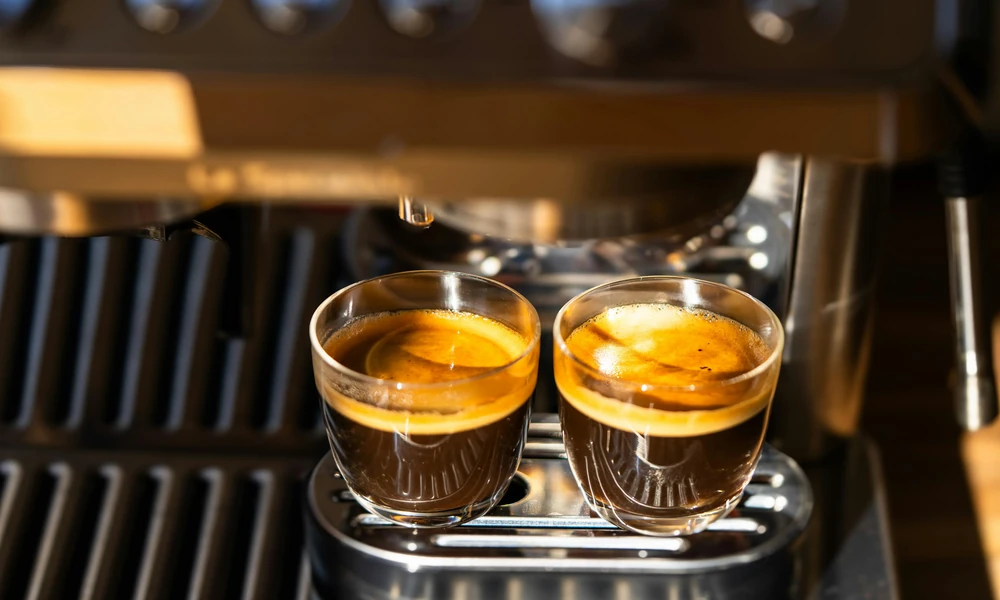
Decaf espresso is often judged by a lower standard and then blamed for meeting it. It may be stored for too long, ground on unsuitable equipment or prepared with the same recipe as a very different regular blend. The resulting shot tastes thin or bitter, reinforcing the assumption that decaf cannot be satisfying.
A better approach begins by treating decaf as a coffee with its own behaviour. It needs a suitable grind, dose and extraction target, followed by testing in the drinks customers actually order. When those basics are handled properly, decaf can deliver sweetness, body and a convincing milk-based menu.
Choose a profile suited to espresso service
Decaf intended for espresso should have enough structure to remain present in a concentrated shot and through milk. Chocolate, caramel and nut-led profiles are often approachable, although other styles can work when brewed carefully.
The best option depends on the menu. A café selling mainly lattes may choose differently from a home user drinking short black coffee.
Freshness and pack size matter because decaf often sells at a lower volume than the main blend.
Sampling in the actual machine is more informative than selecting only from written tasting notes.
This part of the decision deserves attention because decaf coffee beans and espresso coffee are often purchased as isolated products even though the customer experiences them together. A useful plan connects product choice with preparation, service and the moment the drink is consumed. It is worth reviewing the decision in the normal service environment rather than relying only on a supplier description or a quiet tasting. Temperature, preparation time, cup size and the people using the product can all change whether the choice feels successful after repeated use.
Give decaf its own dial-in process
Decaf beans may be more brittle or behave differently in the grinder, so copying the regular espresso setting can produce an unsuitable flow.
Begin with a measured dose and beverage yield, then adjust grind according to taste and extraction behaviour. Change one variable at a time.
The aim is to find sweetness and body rather than chase a predetermined shot time without tasting.
Writing down the decaf recipe prevents staff from guessing whenever an order arrives.
For UK buyers, the practical test is whether the choice remains workable after the first week. Stock movement, staff confidence and repeated drink quality reveal far more than an impressive one-off tasting. It is worth reviewing the decision in the normal service environment rather than relying only on a supplier description or a quiet tasting. Temperature, preparation time, cup size and the people using the product can all change whether the choice feels successful after repeated use.
Protect freshness at lower volume
A bag opened for occasional orders can remain in use much longer than the main house coffee. That slow turnover is one of the main reasons decaf tastes flat in some venues.
Order smaller quantities where possible and close bags securely between refills. Avoid filling a large hopper if the beans will sit exposed for days.
A dedicated grinder is useful, but its hopper should still reflect realistic demand.
Fresh stock management allows the quality of the coffee to be judged fairly.
The strongest approach is to make one controlled change at a time and record the result. That prevents a problem in equipment, recipe or handling from being incorrectly attributed to the product itself. It is worth reviewing the decision in the normal service environment rather than relying only on a supplier description or a quiet tasting. Temperature, preparation time, cup size and the people using the product can all change whether the choice feels successful after repeated use.
Build enough body for milk drinks
Milk softens intensity, so a decaf shot that seems pleasant but delicate on its own may disappear in a latte.
Operators can test a slightly different ratio, cup size or shot count rather than automatically increasing roast darkness.
Alternative milks should be included because their sweetness and flavour can either support or overpower the coffee.
The final drink should taste intentionally decaf, not like warm milk with a distant coffee note.
This is also where clear internal guidance helps. A short recipe or purchasing note can preserve the original intention when several people order, prepare or serve the product. It is worth reviewing the decision in the normal service environment rather than relying only on a supplier description or a quiet tasting. Temperature, preparation time, cup size and the people using the product can all change whether the choice feels successful after repeated use.
Avoid contamination and workflow confusion
A dedicated grinder offers the clearest separation, but lower-volume sites may need another method. Pre-dosed grinding, clear containers and defined cleaning routines can reduce mistakes.
Staff should know which basket, recipe and cup markings belong to decaf orders.
During busy service, a complicated process can cause delays or accidental substitution, so the workflow needs to be rehearsed rather than left to improvisation.
Clarity protects both customer trust and drink consistency.
Commercial operators should include customer behaviour in the review. What people reorder, finish and recommend is often more useful than what attracts initial curiosity. It is worth reviewing the decision in the normal service environment rather than relying only on a supplier description or a quiet tasting. Temperature, preparation time, cup size and the people using the product can all change whether the choice feels successful after repeated use.
Present decaf as a normal menu choice
Customers notice when decaf is described apologetically or attracts a visible service delay. A confident menu listing and trained response help normalise the choice.
Baristas should be able to explain the flavour in the same way they describe the house coffee.
Offering decaf across standard milk-based drinks makes the range feel complete rather than tokenistic.
A positive presentation can increase repeat orders because customers know they will receive a proper drink.
Home users can apply the same logic on a smaller scale by choosing realistic pack sizes and testing the product in their normal mug, brewer and routine rather than under idealised conditions. It is worth reviewing the decision in the normal service environment rather than relying only on a supplier description or a quiet tasting. Temperature, preparation time, cup size and the people using the product can all change whether the choice feels successful after repeated use.
Evaluate with the same standards as regular espresso
Taste for sweetness, balance, texture and finish. Check consistency across several shots rather than accepting the first acceptable result.
Review the drink at the cup sizes customers purchase most often and after the likely takeaway time if relevant.
Track remakes and feedback to distinguish recipe problems from broader assumptions about decaf.
Equal standards do not mean identical recipes; they mean equal attention to the finished experience.
No single specification solves every setting. Volume, audience, equipment and desired flavour all influence whether a decision is genuinely suitable. It is worth reviewing the decision in the normal service environment rather than relying only on a supplier description or a quiet tasting. Temperature, preparation time, cup size and the people using the product can all change whether the choice feels successful after repeated use.
Final thoughts
Decaf espresso improves when it is given its own product choice, stock plan and recipe. Decaf coffee beans need protection from slow turnover, while espresso coffee preparation should be adjusted according to their actual flow and flavour. With a clear workflow and proper milk testing, decaf can become a drink customers choose confidently rather than tolerate reluctantly.
Frequently asked questions
Can decaf beans use the same grinder setting as regular espresso?
Sometimes, but often they need a different setting. Dial in by taste and flow rather than assuming both coffees behave identically.
Why does decaf espresso sometimes taste thin in a latte?
The shot may lack sufficient body, the cup may be too large or the recipe may not be adjusted for milk dilution.
Does a café need a dedicated decaf grinder?
It is the clearest solution, especially at higher volume, but lower-volume sites may use a carefully controlled alternative workflow.